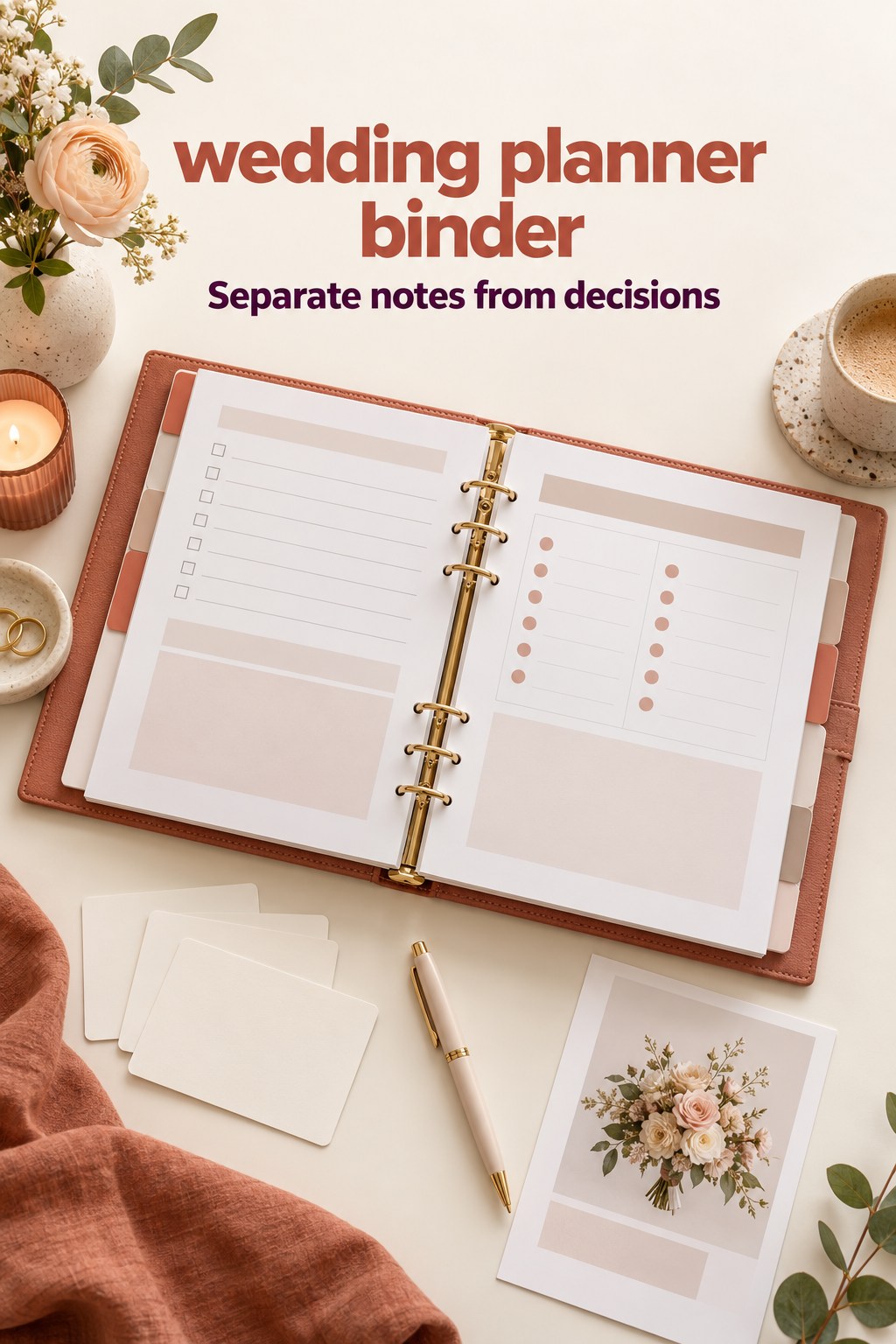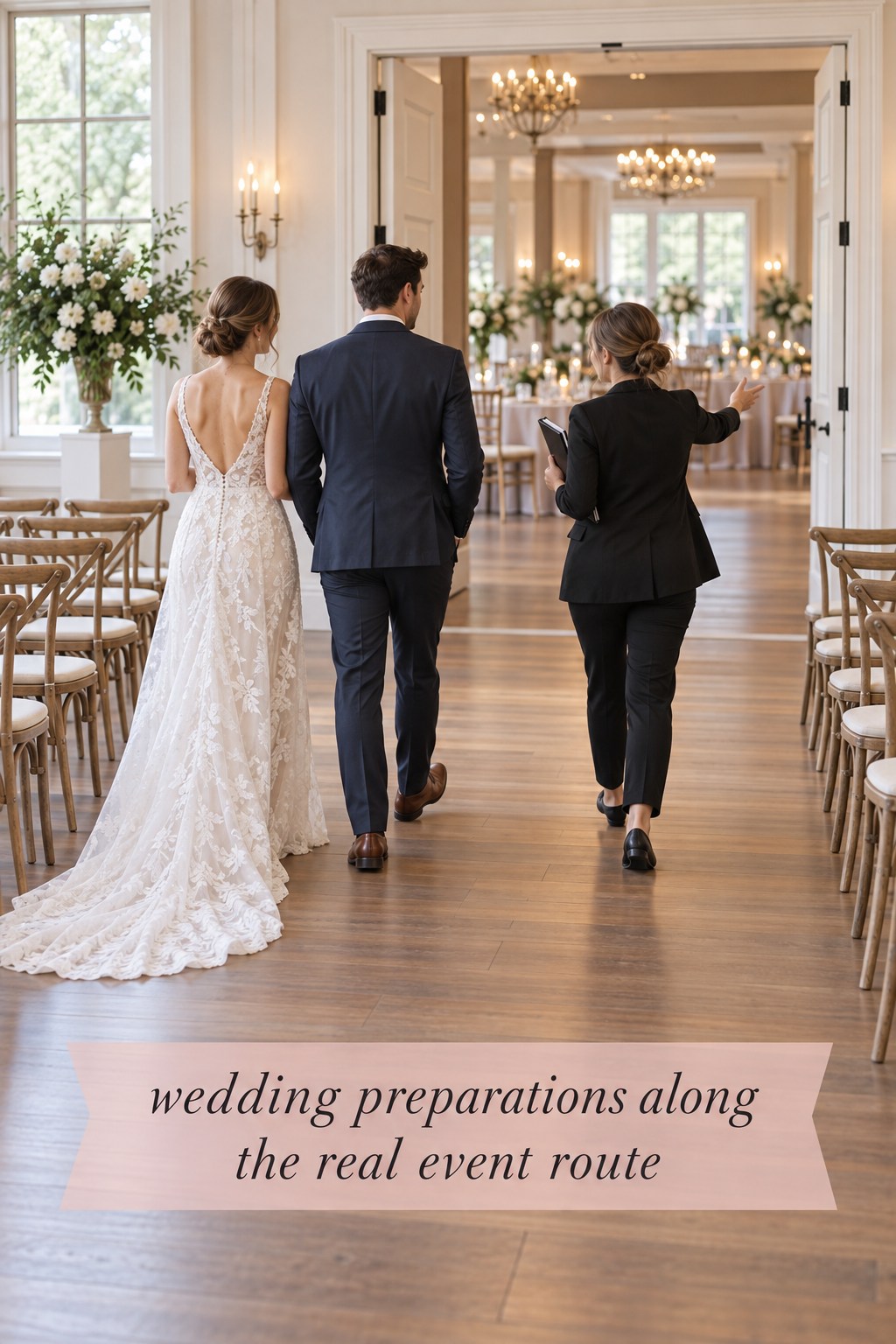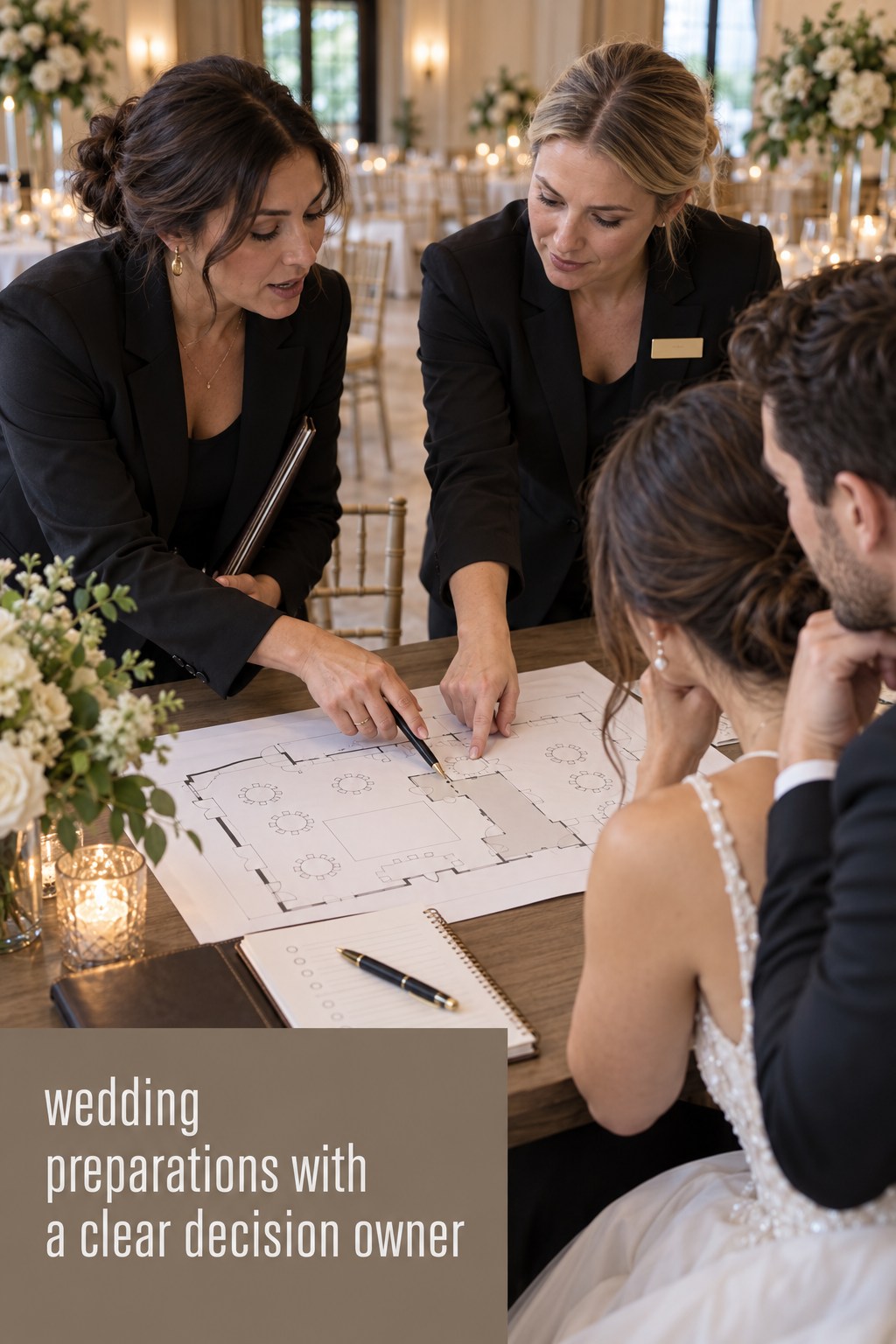
A wedding planner checklist becomes especially useful after the big bookings are made. The venue is reserved, the photographer has your date, and the florist has a deposit, yet there are still decisions that nobody can finish for you. Meal choices need checking, ceremony cues need naming, and suppliers need the final information that turns a reservation into a workable event.
Use this checklist for that middle-to-late planning stage. It separates three questions: Is the service booked? Have we approved the details? Is everything ready for the person who will deliver it? You can use the checks with a professional planner, a coordinator, or your partner. Keep your actual agreements and provider deadlines beside the list, and remove any item that does not belong to your celebration.
Build a Checklist That Separates Booked, Approved, and Ready
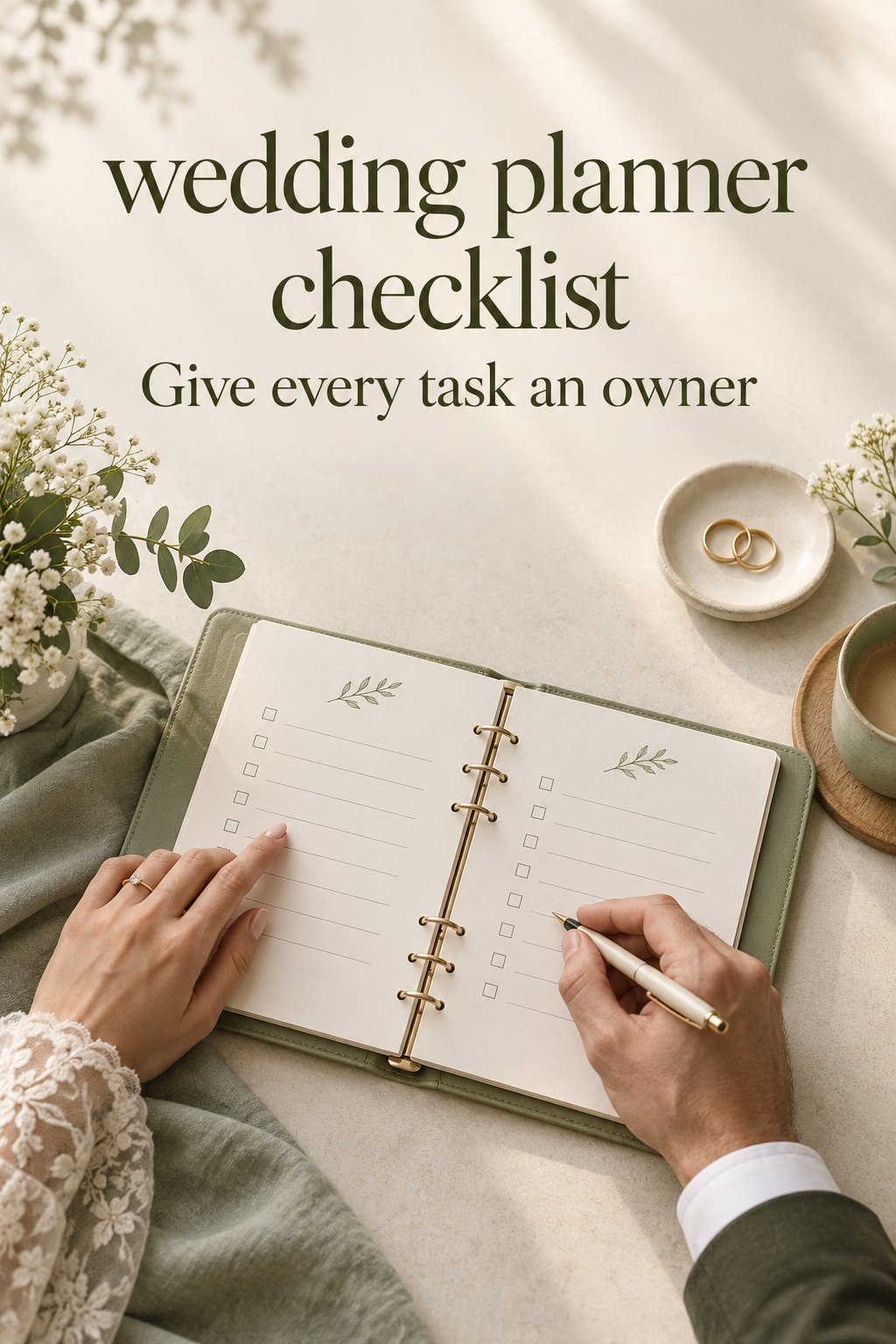
Start with three small groups of tasks rather than one enormous box labeled wedding planning. Booked means you have recorded the reservation and its remaining obligations. Approved means the relevant choice has been made and communicated. Ready means the people involved have the information, timing, and materials they need. These are practical labels you can adopt, not industry certifications.
For example, booking a photographer does not choose your family-photo groups. Approving those groups does not establish where the people will gather. A useful checklist lets you see all three stages without making a paid deposit look like the end of the work. Write separate actions when they require different people or different evidence.
Give each row a concrete finish line
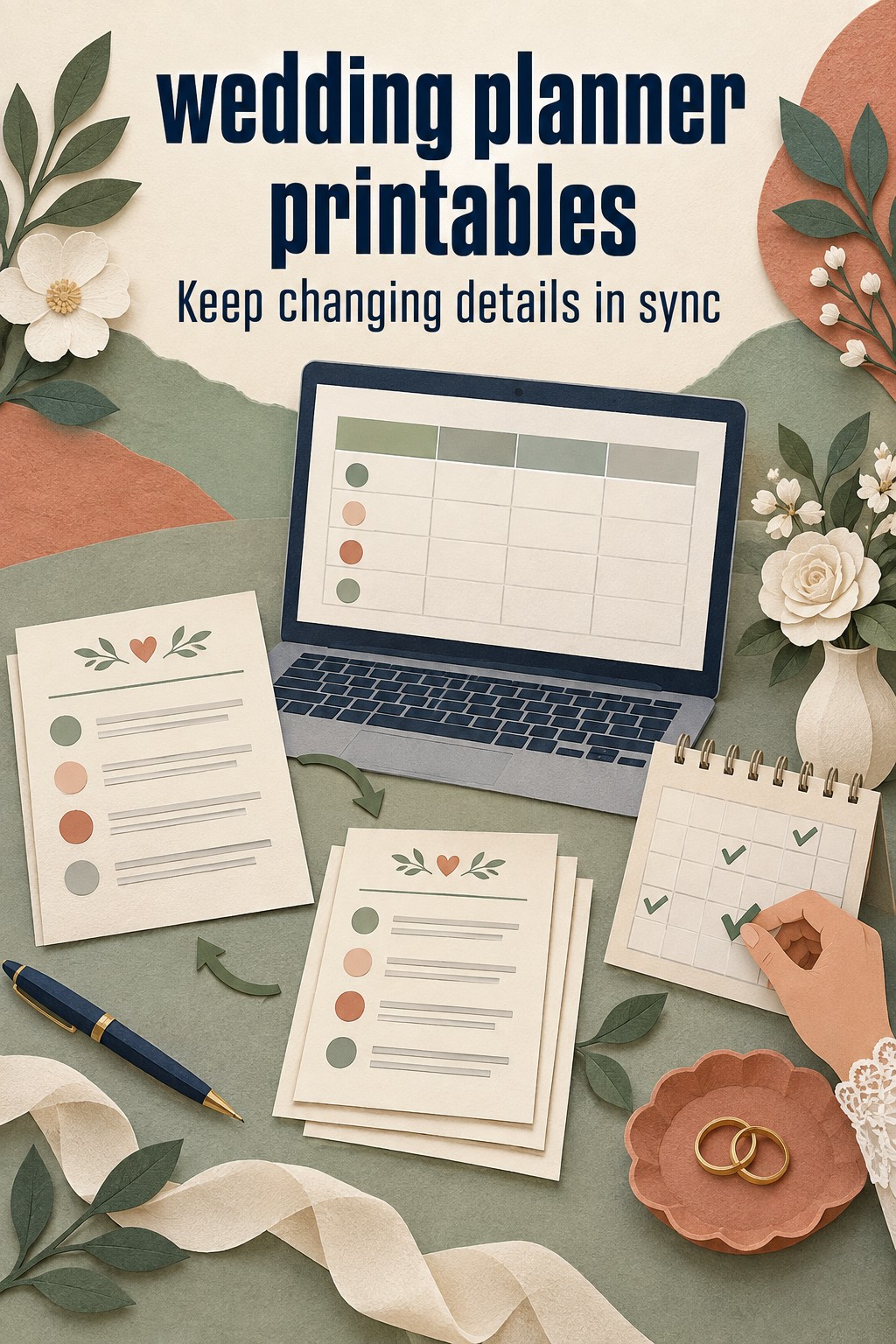
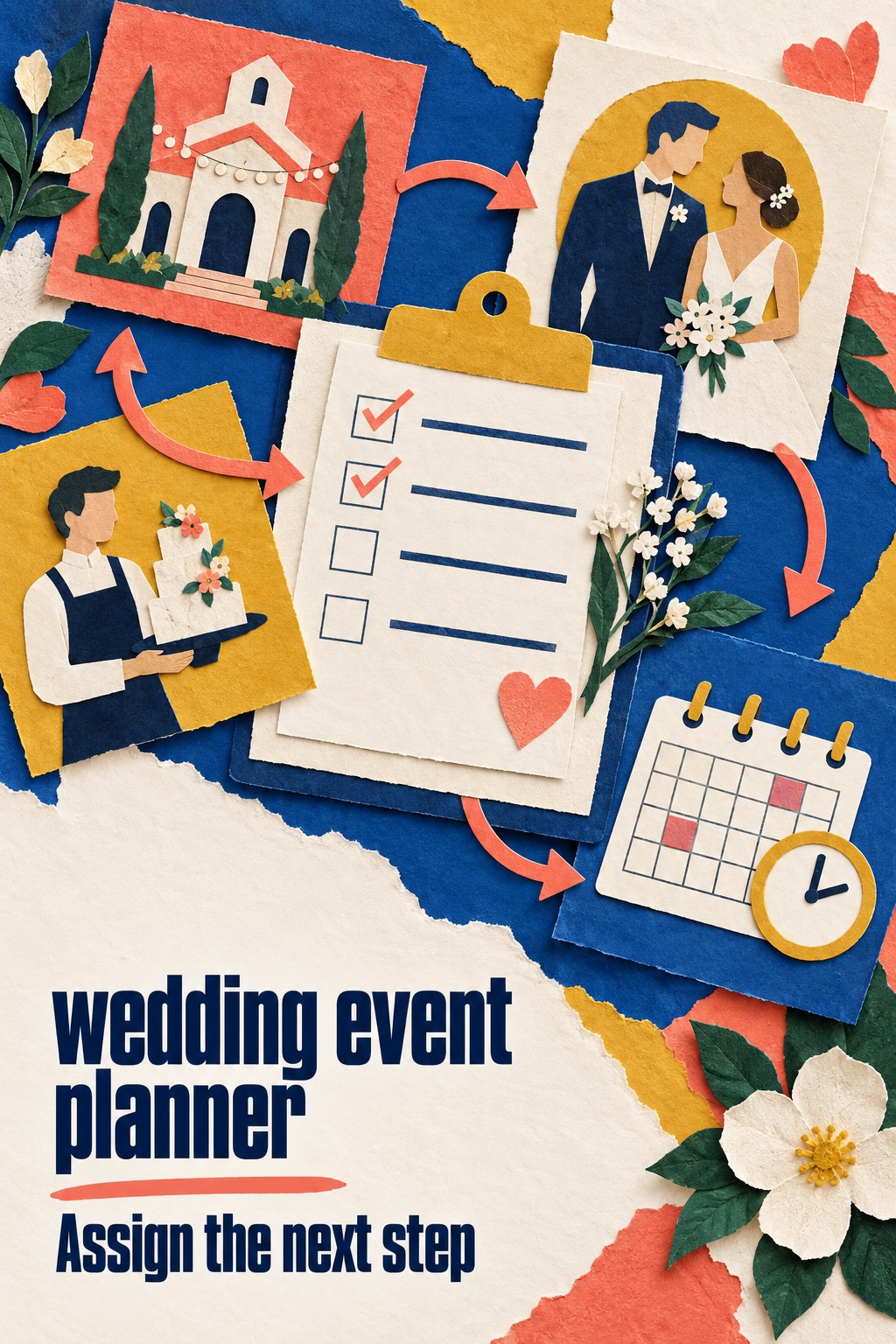
You need only five fields to make a row useful: the action, the person doing it, the due date, the present stage, and what will prove it is finished. An evidence note can point to an email reply, an approved list, or a current document. It does not need to copy the whole message into your checklist. Choose a named person who has accepted the task, rather than assigning it to everyone.
- Action: send the family-photo group list to the photographer.
- Owner: the partner collecting the family names.
- Due date: the date agreed with the photographer.
- Stage: awaiting approval, rather than ready.
- Finish line: photographer acknowledges the groups and confirms where and when to gather.
Avoid writing a task so broadly that it never feels complete. Replace sort out food with confirm menu selections, reconcile meal counts, and obtain the caterer’s acknowledgment. You can keep these as sub-items under catering if that feels easier. The point is to make unfinished work visible without turning every tiny action into its own project.
Also separate a decision from a reminder. Choosing a song is a decision; sending the audio information requested by the musician is an action. Checking the payment deadline is a reminder; paying a balance is an action. A checked reminder does not close the action it was meant to prompt. Use wording that describes the result you actually need.
Create a small remaining-work inventory
Scan the services and details you have already chosen. For each one, ask what the next recipient still needs from you. Start with guests, ceremony, food, photography, music, attire, flowers, and any transport you have booked. Then add the specific extra services in your wedding. Do not import a full list of traditions you never intended to include.
If you still have a foundational decision open, such as the venue, give it its own planning task and keep dependent rows tentative. This article is a review of work after bookings, so it should complement your broader schedule. It cannot supply a date or capacity that you have not confirmed. A short note saying waiting for venue information is more honest than checking the row because you discussed it.
Keep this inventory wherever you already coordinate planning. If you are considering The Wedding Command Center as a planning resource, use these readiness questions to decide whether it fits the way you work. You do not need to move your records just to use this checklist; the questions work on paper or in your existing shared file.

Check Guest and Ceremony Details as Connected Sets
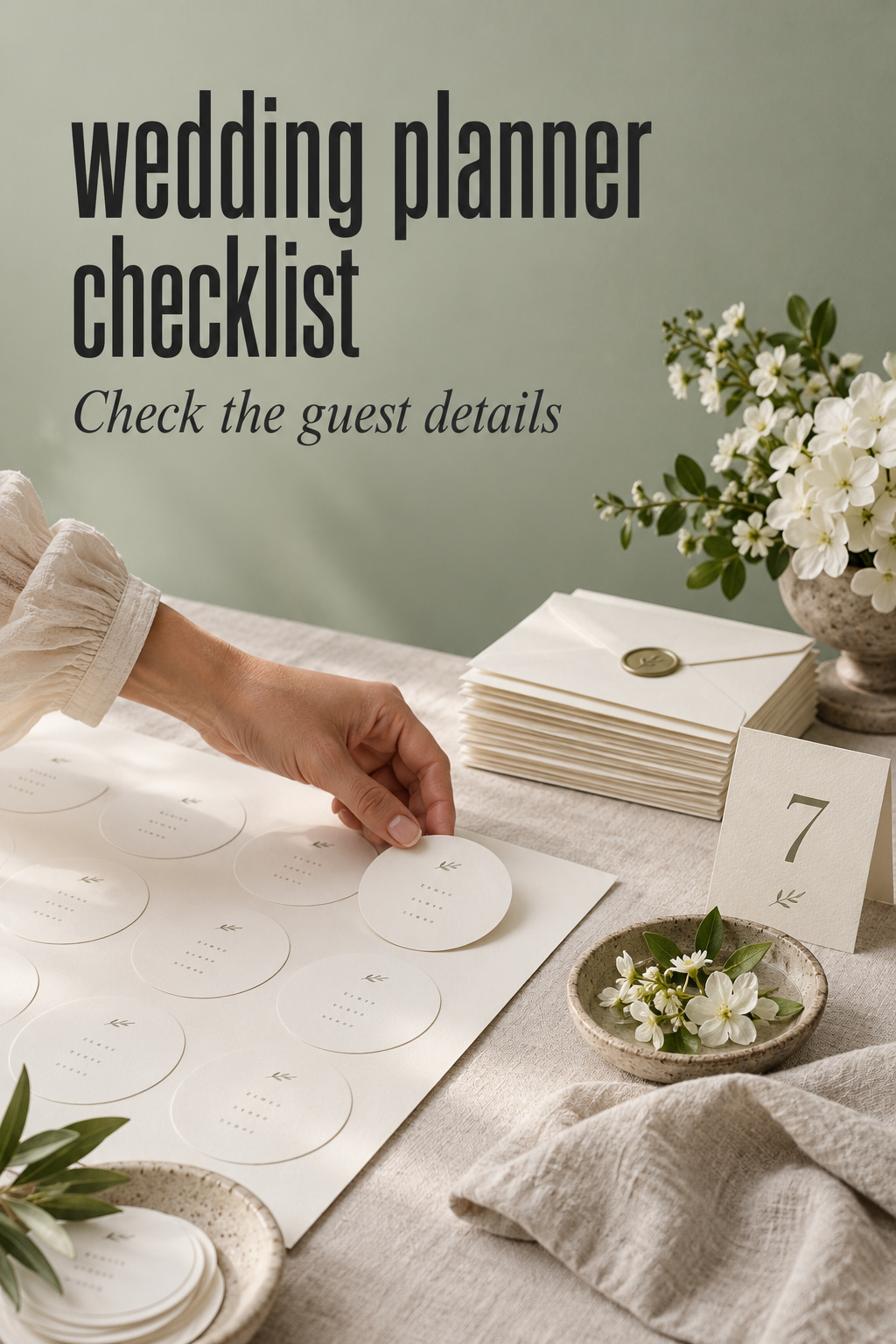
Guest information is a good place to begin because one unresolved answer can affect several other tasks. A received RSVP tells you whether someone plans to attend. It may still leave the meal choice unanswered, the name unclear, or an agreed transport request unresolved. Treat the response as an input to the plan, rather than proof that every guest-related row is ready.
Reconcile responses, meals, and seats
- Account for every invited person as attending, declining, or awaiting a reply.
- Resolve unclear names, party sizes, and any missing information you requested.
- Check that meal selections match the people who are attending and the options you are serving.
- Send relevant dietary information through the process agreed with the caterer, and request acknowledgment.
- Match the current seating plan to the confirmed attending list.
- Proofread printed names and table assignments before approving the final production file.
- Record who will communicate changes after the final counts have been submitted.
Consider a hypothetical dinner for 84 guests. Your response list shows 84 attendees, your meal worksheet contains 83 choices, and your seating plan has 85 seats assigned. Those three documents do not agree, even if each owner has marked their individual task complete. Start with the person-level attending list, identify the missing selection and extra assignment, and correct the affected records before confirming readiness.
When reviewing food counts, ask your caterer how they want guest meals, children’s meals, and any crew meals represented. Do not silently combine different categories into one number. Your checklist should record that the requested counts were supplied and accepted in the provider’s format. This helps prevent a familiar problem: two people using the phrase final headcount while talking about different totals.
A seating chart also needs a usability check. Ask the person placing the cards whether the table labels on the chart match the labels they will see in the room. If the chart says Table A while the printed pieces use numbers, decide which naming scheme will govern and update the other materials. You are checking consistency, not redesigning the reception.
Check ceremony choices against the people performing them
- Confirm the ceremony order with the person leading it.
- Ask each reader or speaker to acknowledge the role they have agreed to perform.
- Record the version of each reading, vow, or script that will be used.
- Give musicians or the audio operator the approved selections and the cues they need.
- Name who will hold the rings and when that person will hand them over.
- Record any documents the officiant or relevant authority instructs you to prepare, and who will handle them.
- Identify who will guide participants if positions or entrance cues change.
Keep official paperwork instructions in their original source rather than deriving them from a generic month label. The checklist task is to verify and follow the instructions that apply to your ceremony. Do not mark it ready simply because another couple obtained a document at the same point in their engagement. Ask the appropriate office or officiant about unanswered requirements.
For another hypothetical example, a reader has accepted a place in the ceremony, but the script contains an earlier reading and the musician expects a cue immediately afterward. Confirm the chosen reading first, then give the current sequence to both people. The ready state belongs to the connected arrangement. Three separate approvals are not enough when they describe different versions of the ceremony.
Keep rehearsal notes focused on unresolved movements or cues. You do not need to revisit every emotional choice at the final review. If the reading, order, and people are already aligned, leave those decisions closed and concentrate on the remaining practical questions. This keeps a useful check from becoming another long round of wedding decisions.
Finish the Supplier Tasks That Survive a Booking
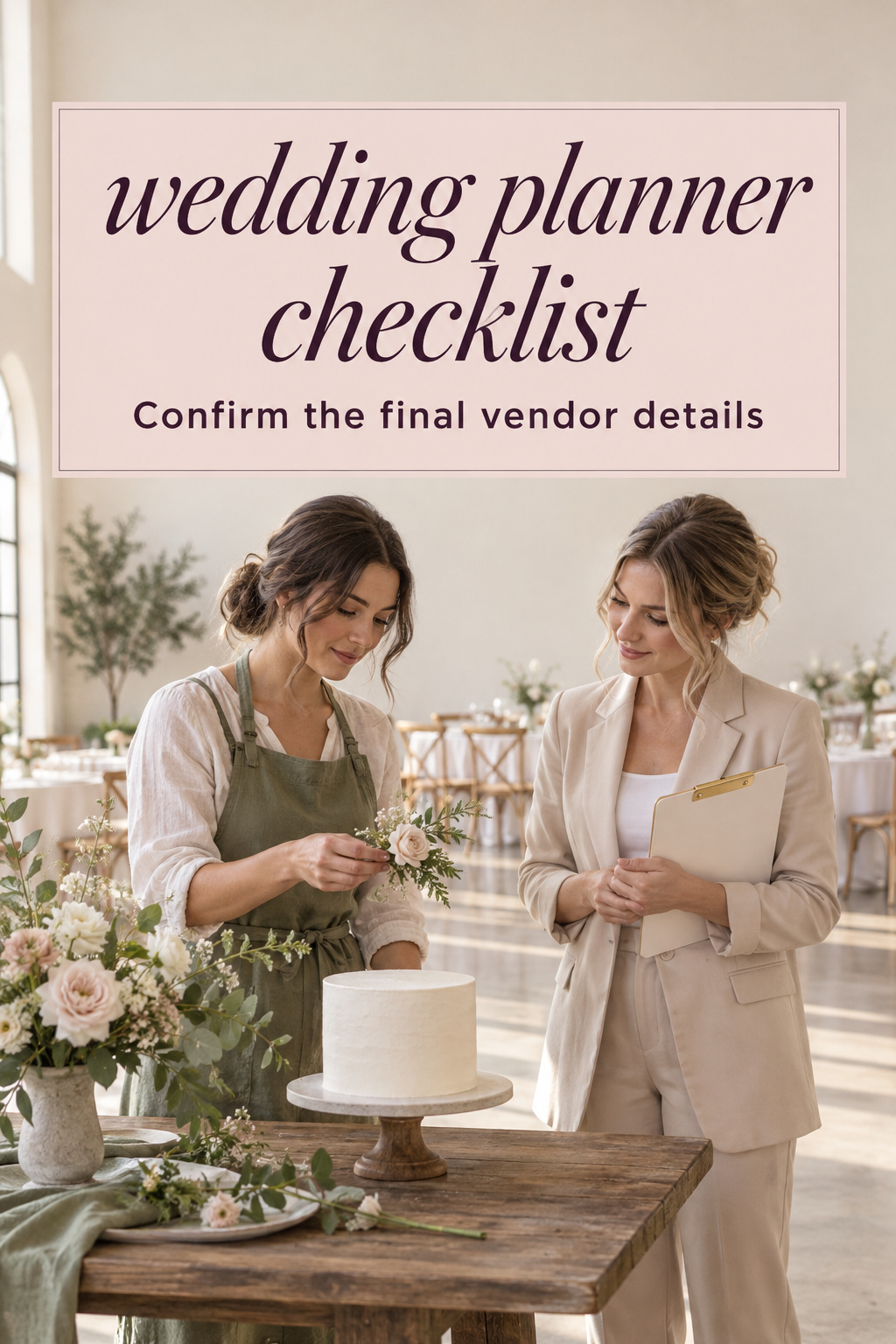
Review each booked service by asking what you still owe the provider and what they still need to confirm. Look at their requested forms and your agreement before adding generic questions. A supplier may already have a detailed final-information process; use it, and put its outstanding actions on your checklist instead of creating a competing set of forms.
Food, desserts, and service details
- Approve the menu or dessert selection you will actually serve.
- Submit the requested counts and final event information by the agreed date.
- Confirm the delivery or service location, and identify the person receiving the supplier.
- Check who provides any display stand, serving tools, plates, or other items needed for the chosen service.
- Record outstanding balances and the agreed payment process.
- Keep unresolved substitutions or service questions open until the relevant people accept the answer.
Imagine that the bakery has confirmed a cake delivery to the reception, while the venue has reserved a display table in a different room and nobody has agreed to move the cake. The booking is complete, but the display is not ready. Resolve the intended location with the bakery and venue, identify any necessary movement, and have the person responsible accept it. A tick beside cake ordered cannot answer those questions.
For catering, check any event information that changed after the tasting. The chosen menu may be settled while the service layout or meal counts are still pending. Do not ask the caterer to reapprove information that has not changed; send the outstanding inputs together and make the specific questions easy to answer. Close only the rows their reply resolves.
Photography and music
- Give the photographer the agreed group-photo requests and any important people they need identified.
- Confirm the location and gathering plan for those groups with the person helping assemble them.
- Check the approved photography schedule against the current ceremony and reception times.
- Approve the music selections for the moments you are including.
- Confirm who announces or cues those moments, and what information the performers need.
- Record any outstanding equipment or location question with the provider responsible for answering it.
A photo list is easier to act on when it names actual people instead of using a phrase such as all cousins. Assign one person who knows the group to help gather them if that arrangement is agreed with the photographer. You are not trying to prescribe how the photographer works. You are supplying the identification and decisions they have asked you to provide.
For music, test the sequence on paper: who introduces the moment, what the audio operator or performer starts, and what signals the end. If you have chosen a first-dance track but nobody knows which version you mean, the selection remains incomplete. Send the version or reference your provider requests, and ask them to acknowledge it. Avoid assuming that a title alone identifies the same recording for everyone.
Flowers, styling, attire, and transport
- Approve the final design choices that your florist or stylist has asked you to make.
- Confirm the quantities and locations in the current agreed plan.
- Resolve any venue question the design depends on before treating the arrangement as ready.
- Check that your own attire is collected or has a confirmed collection plan, with remaining fittings recorded.
- Identify required shoes and accessories, and check them with the outfit you intend to wear.
- For booked transport, confirm the actual pickup locations, service times, passengers, and contact process.
Keep design approval separate from physical setup. You can love an arrangement and still need to answer where it belongs or whether a venue has accepted a proposed detail. If your styling involves moving flowers between ceremony and reception, use the separate ceremony-to-reception arrangements guide to resolve that plan. Your checklist only needs the outstanding decision and its finish line.
For attire, treat ready as a practical check of the pieces you will actually use. Put the outfit, shoes, accessories, and any required fastening help into one review. A purchased outfit can still have an unfinished alteration, a missing accessory, or an unclear collection arrangement. Follow the provider’s instructions for handling it and write down any remaining question rather than inventing a universal care rule.
Transport deserves the same specificity. A reservation for a shuttle does not settle the pickup point your guests will use. Compare the transport confirmation with the directions you intend to send guests. If they differ, resolve the location and correct both. The useful outcome is that the driver and passengers can act on the same instructions.
Adapt the Checklist as Deadlines and Details Change
Build the review around your real dates. Put supplier-requested decision dates, payment dates, production approvals, and final-count deadlines on the checklist. Work backward from those dates to leave yourself time to collect the information. A monthly planning guide can help you discover tasks, but the dates in your actual arrangements should anchor this post-booking review.
Review outstanding answers before adding new tasks
At each review, begin with rows awaiting a reply. Ask whether the other person has the question, whether your message included the information they need, and when a follow-up is appropriate under your agreed communication process. Sometimes a slow answer is caused by a missing input you can provide. Sometimes the next useful action is a concise follow-up. Record the action, not an assumption about the delay.
Then examine rows marked approved. Does anything else need to happen before they are ready? A seating proof might be approved while printing and delivery remain open. A transport route might be agreed while the guest directions still describe an earlier plan. This is the stage where a small cross-check is more useful than another inspirational task.
Finally, look at ready rows affected by changes. Reopen only what the change touches. If two guests cancel, review the records and supplier information that need updating; do not reopen the ceremony music. If the ceremony time changes, check the photographer, musicians, transport, and guest-facing instructions that depend on it. Write down which recipients need the revision so the change does not end with one corrected document.
Keep the remaining-issues handoff short
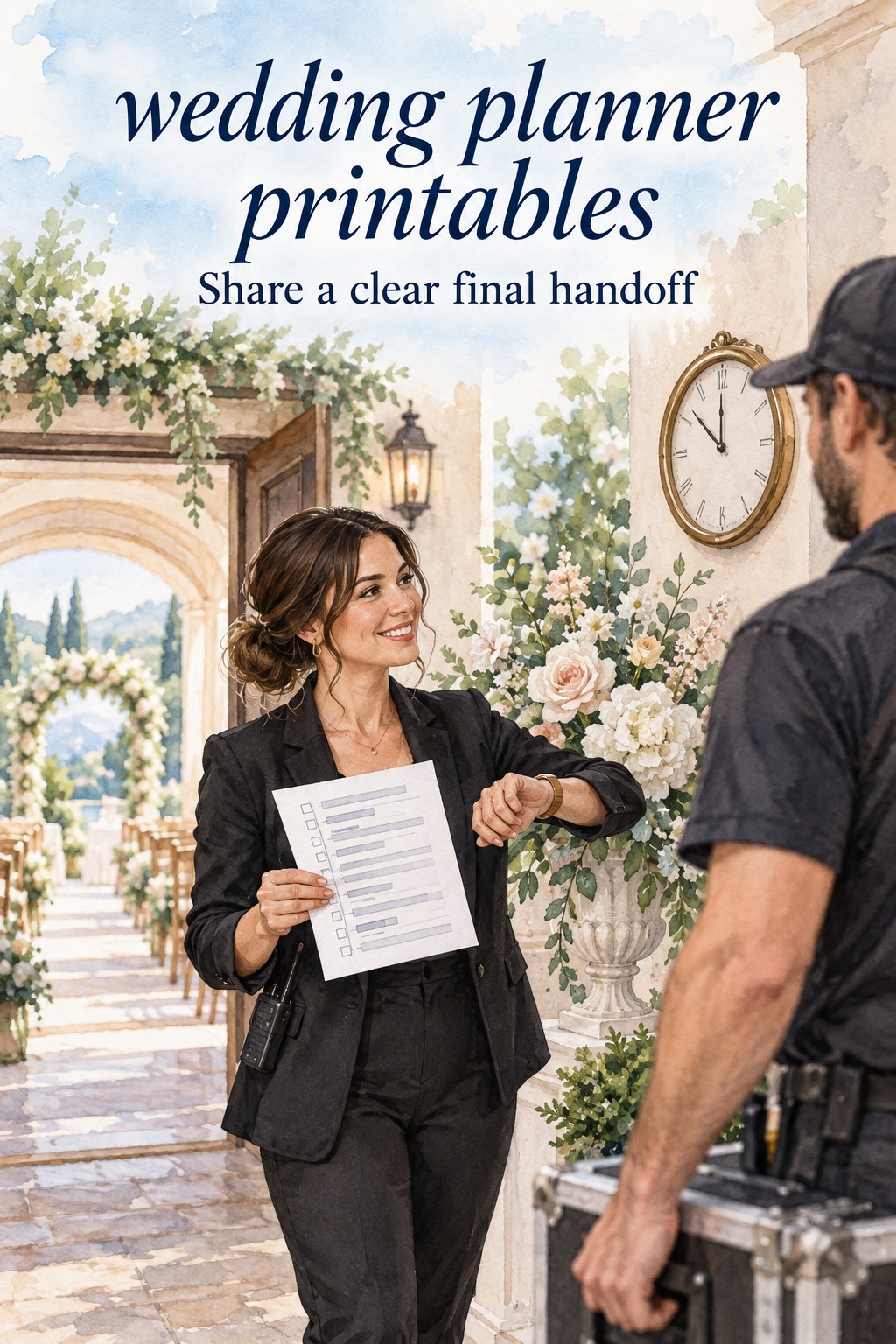
As the event approaches, make a brief list of the questions that are still unresolved. For each one, include the decision needed, the person taking the next action, and the provider or helper who needs the answer. Keep confirmed arrangements in their existing documents. The remaining-issues list should make open work visible, without forcing someone to read through your entire planning history.
- What is still undecided or awaiting confirmation?
- Who has accepted the next action?
- When is the answer needed under the actual plan?
- Who else must receive the answer?
- What will allow us to close the item?
Before handing that list to a coordinator or helper, ask them to explain one remaining task back to you. If they cannot tell who to contact or what answer they need, improve the row. This is a comprehension check you can do together, not a test of their professionalism. It reveals missing context while there is still time to supply it.
Separate event readiness from post-event work. Returning an item, reviewing a final invoice, or collecting a personal belonging may happen after the celebration. Keep those tasks scheduled and assigned instead of pretending they are complete at the final review. For physical objects, the wedding item-flow guide can support a more detailed collection and return plan.
A useful stopping rule is simple: close the row when its stated finish line is met, and revisit it when a relevant fact changes. You do not need to keep reconfirming an unchanged answer because the wedding is getting closer. Give the checklist a defined review time, finish the outstanding actions, and let completed decisions stay completed.
Sources and Methodology
This checklist was developed after reviewing ten organic Google US results for the topic, including publisher checklists, a venue guide, a customizable planning-tool page, and a reader discussion about small remaining tasks. The Here Comes The Guide wedding checklist supports the task families involving final guest information, supplier confirmations, and assigned follow-through. The booked, approved, and ready labels and the hypothetical mismatch examples are editorial tools for checking your own plan. They do not replace provider instructions or official ceremony requirements.

FAQ
What should remain on a wedding planner checklist after vendors are booked?
Keep final choices, supplier-requested information, guest and meal details, ceremony cues, attire collection, payment actions, and event confirmations that are still unfinished. Remove tasks you do not need. A booking can be complete while the service still needs details from you, so give each remaining action its own finish line.
Is booked the same as ready on a wedding checklist?
No. In this checklist, booked records the reservation, approved records a settled choice, and ready means the necessary people have the agreed information and arrangements. A photographer can be booked before the family-photo groups are approved, and those groups can be approved before anyone has confirmed where to gather.
How do we know when to check off a vendor confirmation?
Check it off when the question you wrote has been answered and any required acceptance or follow-up is complete. Sending a message is not the same as receiving confirmation. If the reply resolves only part of the task, close that part and keep the unanswered question visible with a next action.
How do we check that guest counts are consistent?
Start with the current person-level attendance list. Compare it with the meal selections and seating assignments, and investigate missing or extra entries. Ask the caterer how to represent different meal categories. Submit the information in the agreed format, and update affected recipients when an accepted count changes.
What should we reopen when a wedding detail changes?
Reopen the checklist items that depend on the changed fact. A ceremony-time change may affect photographs, music, transport, and guest instructions. A guest cancellation may affect meal and seating records. Identify the affected recipients and confirm the needed update rather than restarting the entire checklist.
Can we use this checklist without hiring a wedding planner?
Yes. A couple can use the same questions to organize remaining work with providers and trusted helpers. Name someone who accepts each action and understands its finish line. The checklist helps you coordinate information; separately confirm who will carry out the actual work on the wedding day.
Should every wedding task be ready before the event?
Event-day arrangements should be resolved according to their real deadlines, but some follow-through happens afterward. Rental returns, personal-item collection, or later invoice checks may remain scheduled tasks. Keep them assigned with a date and a clear result instead of checking them off early to make the list look finished.